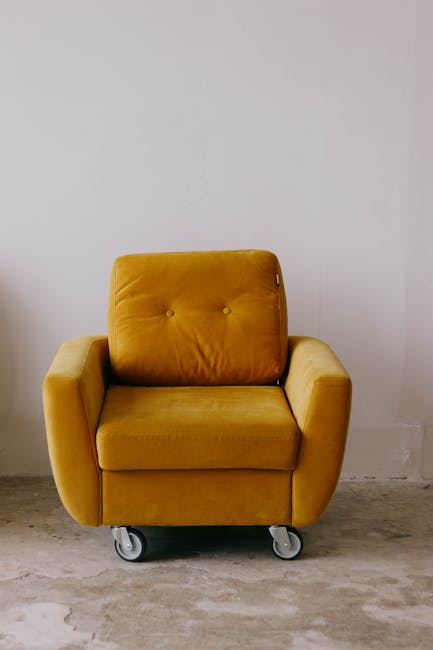
Upholstery cleaning tips for Uxbridge Road Shepherds Bush
If your sofa, armchair, or dining chairs are starting to look a bit tired, you are not alone. Homes and flats around Uxbridge Road in Shepherds Bush pick up everyday life fast: coffee splashes, pet hair, city dust, cooking residue, and the odd mystery mark that seems to appear overnight. These upholstery cleaning tips for Uxbridge Road Shepherds Bush are designed to help you keep fabrics cleaner for longer, avoid damage, and know when a simple home clean is enough versus when a professional touch makes more sense.
Truth be told, upholstery is one of those things people ignore until the room feels dull. Then you notice it all at once. The good news? With the right approach, most fabrics can be maintained sensibly at home, and you can extend the life of your furniture without turning cleaning day into a chemistry experiment.
This guide covers the practical side: how upholstery cleaning works, what to do first, mistakes to avoid, and how to decide whether a local specialist is the safer option. If you want a broader view of professional textile care, you may also find the company's upholstery cleaning service useful to compare against DIY maintenance.
Table of Contents
- Why upholstery cleaning matters on Uxbridge Road
- How upholstery cleaning works
- Key benefits and practical advantages
- Who this is for and when it makes sense
- Step-by-step guidance
- Expert tips for better results
- Common mistakes to avoid
- Tools, resources and recommendations
- Law, compliance, standards, and best practice
- Options and methods comparison
- Case study or real-world example
- Practical checklist
- Conclusion
- Frequently asked questions
Why Upholstery cleaning tips for Uxbridge Road Shepherds Bush Matters
Furniture works hard in a Shepherds Bush home. A sofa is not just a sofa; it is where you eat a takeaway on a Friday night, where the kids sprawl after school, where the dog curls up in a warm patch, and where visitors end up sitting whether you planned for it or not. That constant use means fabrics trap dust, body oils, crumbs, and airborne grime more quickly than many people expect.
Uxbridge Road adds its own little layer of reality. Busy streets mean more outdoor dust coming in on clothes and shoes, more open windows in summer, and more general indoor pollution settling into soft furnishings. None of this is dramatic. It is just life. But it does mean regular care matters more than a once-a-year panic clean.
Done well, upholstery cleaning is about more than appearance. It can help reduce lingering smells, keep fabric textures softer, and slow down wear on high-contact areas like seat cushions and armrests. It also helps you spot small issues early, such as dye transfer, loose stitching, or a spill that has started to set into the backing.
There is also a trust angle here. If you rent, manage a property, or host guests, the condition of upholstery affects how people experience the space. Clean, fresh furniture quietly says: this place is cared for.
How Upholstery cleaning tips for Uxbridge Road Shepherds Bush Works
Upholstery cleaning is not one single method. It is a process of understanding the fabric, choosing the safest cleaning approach, and controlling moisture so you do not create water marks, shrinkage, or hidden damp.
In simple terms, you start by identifying the fabric type and checking the care label. That label usually gives you the first clue about whether water-based cleaning, solvent-based cleaning, or professional-only cleaning is suitable. Then you remove loose debris, test any product in a hidden spot, and clean gently from the outside of the stain inward. Drying matters just as much as cleaning; leave fabric damp and it can smell musty or attract more dirt faster.
For many households, a light routine clean is enough: vacuuming, blotting spills quickly, and treating minor marks before they settle. For deeper soiling, larger stain patches, or delicate materials like velvet and certain blends, professional sofa cleaning or broader upholstery care is usually the safer route.
A sensible approach is to think in layers:
- Routine care: vacuum, brush, and spot clean.
- Targeted stain treatment: treat one mark carefully without overwetting the fabric.
- Deep cleaning: use an appropriate method for the fabric and soil level.
- Drying and finishing: speed up airflow and restore pile or texture.
That may sound basic, but it is where most good results come from. Not from force. From patience.
Key Benefits and Practical Advantages
Clean upholstery changes a room more than people expect. The curtains may be closed, the floor may be fine, but if the sofa is grey with dust or has a ring mark near the armrest, the whole space feels a little off.
The main benefits are practical as well as visual:
- Better appearance: fabrics look brighter and more even in tone.
- Improved comfort: seats feel fresher and less sticky, especially in warmer months.
- Odour control: cleaning can reduce food, pet, and everyday living smells.
- Longer fabric life: regular care reduces friction and embedded grit.
- Better hygiene: while not a medical claim, removing grime and residue does make furniture feel cleaner overall.
There is another advantage people often overlook: maintenance gets easier. Once a sofa is left for too long, every spill seems to settle in and every cushion looks different. Keeping on top of it means small jobs stay small. That is the real win, to be fair.
Expert summary
Best results usually come from quick spill response, fabric-specific cleaning, and thorough drying. If you are unsure about a fabric code, do less rather than more. Gentle care beats a risky scrub almost every time.
Who This Is For and When It Makes Sense
These upholstery cleaning tips are useful for a wide range of people in Shepherds Bush and along Uxbridge Road, but the details matter depending on your situation.
Homeowners and renters: If you are trying to keep a living room fresh between bigger cleans, small habits make a big difference. This is especially true in smaller flats where furniture gets more daily use and there is less natural airflow.
Pet owners: Fur, paw marks, and the occasional accident need a more careful routine. In homes with pets, prompt stain treatment is much more important than aggressive cleaning. You may also want to look at pet stain and odour removal if smells or recurring marks are becoming a pattern.
Families with children: Crumbs, juice, felt-tip traces, sticky fingers. Enough said. You need methods that are fast, safe, and repeatable.
Landlords and property managers: Upholstery condition can affect the feel of a viewing or handover. If the furniture is part of a furnished let, keeping it presentable protects your investment and helps avoid avoidable complaints.
Small businesses: Waiting areas, consulting rooms, and office lounges all benefit from clean seating. In business settings, presentation matters, and fabrics can wear unevenly in high-traffic spots. If that is your world, commercial carpet cleaning may also be relevant to the wider space.
When does DIY make sense? For surface dust, light marks, and routine maintenance, yes. When does it stop making sense? If the fabric is delicate, the stain is old, or the furniture has already been cleaned badly once before. That is usually where caution pays off.
Step-by-Step Guidance
Here is a practical, no-nonsense process you can follow for most everyday upholstery maintenance. It is not glamorous, but it works.
- Check the care label. Look for cleaning codes or instructions. If you cannot identify the fabric, assume it is sensitive until proven otherwise.
- Vacuum thoroughly. Use a soft brush attachment to remove dust, crumbs, hair, and grit from seams and under cushions. Pay attention to piping and the gaps where debris likes to hide.
- Test first. Apply any cleaner to a hidden area and wait for discoloration, stiffness, or ring marks. A five-minute test can save a very expensive mistake.
- Blot, do not rub. For fresh spills, use a clean cloth or paper towel and press gently. Rubbing drives the stain deeper and roughens the fibres.
- Use the mildest effective solution. A small amount of fabric-safe cleaner is usually enough. More product is not better. It just creates residue.
- Work from the outside in. This helps stop the stain spreading. Keep your motions controlled and light.
- Rinse carefully if needed. Too much moisture can leave marks, so use only a lightly damp cloth unless the fabric and product instructions say otherwise.
- Dry properly. Open windows if weather allows, use airflow, and avoid sitting on the furniture until it is fully dry. If needed, place a fan nearby. Not directly blasting it like a wind tunnel, just enough to move air.
- Restore the texture. Once dry, gently brush the pile or nap to bring the fabric back to life.
A useful rule: if the fabric looks clean but feels sticky or stiff after treatment, too much detergent has probably been left behind. That happens more often than people admit.
For different stain types
- Food and drink: act quickly and blot first.
- Grease: avoid adding heat; it can set the mark further.
- Ink: treat as delicate and test carefully, because spreading is easy.
- Mud: let it dry first, then vacuum or brush away the residue before using any cleaner.
- Pet accidents: remove moisture first, then use an appropriate odour treatment if needed.
Expert Tips for Better Results
Here is where the small details make the difference. Most upholstery cleaning problems are not caused by a lack of effort. They are caused by the wrong kind of effort.
1. Keep a maintenance rhythm. Weekly vacuuming is a simple habit that reduces embedded dirt. Even ten minutes helps. You will notice the difference after a month or two.
2. Rotate cushions. If your sofa has removable cushions, swap them around so wear is more even. It stops one side looking far older than the rest.
3. Treat stains early. Fresh marks are always easier. Always.
4. Use white cloths when blotting. Coloured cloths can transfer dye, especially onto damp fabric. Annoying, but true.
5. Watch for hidden moisture. The surface may feel dry while the filling underneath remains damp. That is where smells can begin. Open windows, lift cushions, and allow proper airflow.
6. Be careful with steam on delicate fabrics. Steam can help on suitable materials, but it is not universally safe. Delicate blends and certain textured fabrics can react badly.
7. Keep food and upholstery separate where possible. I know, that sounds obvious. Yet it is usually the third or fourth coffee of the week that causes the issue, not the first.
8. Consider the room as a whole. If the carpet, curtains, and sofa are all dusty, cleaning only the sofa can feel like tidying one shoe. Matching the care across the room often gives a better overall result. For that wider refresh, curtain cleaning and rug cleaning can make sense alongside upholstery work.
Common Mistakes to Avoid
Most upholstery damage comes from good intentions. A well-meaning scrub can leave a permanent ring. Too much cleaner can attract more dirt later. It is a bit unfair, really.
- Using too much water: this can soak the padding and cause drying issues.
- Scrubbing hard: it frays fibres and can spread stains.
- Skipping the test patch: this is how colour loss happens.
- Mixing products: never combine cleaning agents unless the instructions clearly say it is safe.
- Ignoring the care code: fabric instructions exist for a reason.
- Leaving cushions damp: trapped moisture can lead to musty smells.
- Cleaning only the visible part: stains often have edges, backing, and nearby residue that need attention too.
A small but important point: not every mark is dirt. Some are dye transfer, wear, sun fading, or pile distortion. If you treat everything as a stain, you may end up trying to fix something that cleaning cannot actually solve.
Tools, Resources and Recommendations
You do not need a van full of kit. For most homes, a few sensible tools cover the basics.
| Tool | What it helps with | Good for |
|---|---|---|
| Vacuum with brush attachment | Loose dust, crumbs, hair, surface grit | Weekly maintenance |
| Microfibre or white cotton cloths | Blotting spills, applying small amounts of cleaner | Spot cleaning |
| Soft upholstery brush | Raising fibres, loosening debris | Textured fabrics |
| Fabric-safe cleaner | Targeted stain treatment | Light to moderate marks |
| Portable fan or good airflow | Faster drying | After damp cleaning |
If you are buying products, keep the formula simple and suitable for the fabric type. Stronger is not smarter. In fact, the more aggressive the cleaner sounds, the more careful you should be.
For deeper work, professional textile care can be a better fit than trying five different supermarket products in succession. If you are comparing options, it may help to look at stain removal support as part of a broader cleaning plan, especially where marks have set in or spread into the upholstery seams.
And if you are thinking about booking professional help, it is sensible to check the provider's pricing and quotes page so you know what to expect before you commit.
Law, Compliance, Standards, and Best Practice
For domestic upholstery cleaning, the legal side is usually straightforward, but there are still some best-practice points worth taking seriously. If you are cleaning in a rented property, a managed building, or a workplace, follow the relevant site rules and use products responsibly. Keep labels, follow usage instructions, and store cleaning materials safely away from children and pets.
From a professional service perspective, good practice usually includes clear communication, suitable risk awareness, and care around health and safety. That is especially relevant where water, equipment, electrical items, or chemical products are involved. If a cleaner is working around your home or business, you should expect sensible precautions, not improvisation.
Insurance is another sensible consideration. It does not mean something will go wrong, but it is reassuring to know the provider has thought about the risk side properly. You can review relevant service information on insurance and safety and the company's health and safety policy if you want to understand the standard of care being applied.
If sustainability matters to you, it is also reasonable to ask about water use, waste handling, and product choices. A cleaner approach that avoids unnecessary waste is often better for the home anyway. The company's recycling and sustainability information may be worth a look if that is part of your decision-making.
Options, Methods, or Comparison Table
Different fabrics and different stains call for different methods. Here is a simple comparison to help you choose without overcomplicating things.
| Method | Best for | Pros | Watch-outs |
|---|---|---|---|
| Vacuuming and brushing | Routine care, dust, hair | Safe, fast, low cost | Won't remove set stains |
| Light spot cleaning | Fresh spills and small marks | Targeted and practical | Can leave rings if over-wet |
| Foam or spray cleaner | General maintenance on suitable fabrics | Easy to apply | Residue if overused |
| Hot water extraction | Deeper soiling on compatible materials | Strong cleaning effect | Drying time matters a lot |
| Professional upholstery cleaning | Delicate fabrics, large areas, stubborn stains | Experienced handling, better risk control | Cost and appointment planning |
If you have a sectional sofa with mixed materials, the safest choice is often to treat each part according to its fabric type rather than applying one blanket method. That sounds fussy, but mixed upholstery is where shortcuts tend to backfire.
Case Study or Real-World Example
A common Shepherds Bush scenario goes like this. A family on Uxbridge Road notices the front cushions of their fabric sofa are looking patchy. There are a couple of food marks, some dull grey traffic areas, and one faint odour that only becomes noticeable in the evening. Nothing dramatic. Just enough to make the room feel off.
They start by vacuuming the sofa carefully, including the seams and under the cushions. They test a small cleaning solution on the back panel and blot one stain gently rather than scrubbing it. The cleaner dries the fabric more quickly because they open the window and lift the cushions to allow air through. The result is not brand-new furniture, because let's be realistic, that is rarely the goal. But the sofa looks brighter, smells fresher, and the patchy look is reduced enough that the room feels pulled together again.
The useful lesson here is simple: small, methodical care often makes a bigger visual difference than one heavy clean. And if the stain had been older or the fabric more delicate, a professional clean would have been the safer call. That is not failure. It is good judgement.
Practical Checklist
Use this checklist before, during, and after cleaning upholstered furniture.
- Check the fabric care label first.
- Vacuum all surfaces, seams, and cushion gaps.
- Test any product in an unseen area.
- Blot fresh spills gently.
- Use the minimum amount of cleaner needed.
- Avoid hard scrubbing or repeated soaking.
- Keep airflow moving while the fabric dries.
- Brush the fabric once dry if needed.
- Inspect for residue, rings, or hidden damp.
- Decide whether the stain or fabric needs professional attention.
If you can tick all of those off, you are already ahead of most rushed DIY attempts. Really.
Conclusion
Upholstery cleaning does not have to be complicated, but it does need care. Around Uxbridge Road Shepherds Bush, where everyday life is busy and furniture gets constant use, the best results usually come from steady maintenance, quick spill response, and choosing the right method for the fabric rather than the most powerful one.
Keep it simple: vacuum regularly, test before treating, avoid overwetting, and give fabrics time to dry properly. If a stain is stubborn, the material is delicate, or you simply want a better finish without the guesswork, a professional approach can be the smarter move. Clean upholstery lifts a room quietly, and that matters more than people think.
Get a free quote today and see how much you can save.
Sometimes the best home care is the kind that leaves you with a lighter room, a calmer mind, and one less thing to worry about on a busy London evening.
Frequently Asked Questions
How often should I clean upholstery in a Shepherds Bush home?
For most homes, weekly vacuuming and occasional spot cleaning are enough for routine care. Deeper cleaning depends on use, pets, children, and fabric type. High-use sofas may need more attention than a spare chair in the corner.
Can I use the same cleaner on all upholstery fabrics?
No, and that is where many problems begin. Different fabrics react differently to moisture and cleaning products. Always check the care label and test in a hidden spot first. If in doubt, use the gentlest option available.
What is the safest way to remove a fresh stain from upholstery?
Blot immediately with a clean cloth, working from the outside of the stain inward. Do not scrub. Then use a fabric-appropriate cleaner sparingly. Fresh spills are much easier to manage than dried-in marks.
Why does my sofa look worse after I clean it?
That often happens because of too much water, detergent residue, or uneven drying. It can also happen if the stain was already partly set and the cleaning has brought the edge out more clearly. A careful second pass or professional clean may help.
Is steam cleaning safe for upholstery?
Sometimes, but not always. Steam can suit some fabrics and make sense for certain deeper cleans, yet it may damage delicate materials or cause shrinkage and water marking. Always confirm fabric suitability before using heat and moisture.
How do I get pet smells out of upholstered furniture?
Start by removing loose hair and cleaning the affected area promptly. Use a pet-safe odour treatment if appropriate, but avoid soaking the fabric. Persistent smells can sit in the backing or padding, which is where professional help often becomes more effective.
What should I do if I do not know the fabric code?
Be cautious. Use vacuuming, dry brushing, and minimal moisture until you can identify the material properly. If the upholstery is valuable, antique, or mixed-fabric, it is safer to get advice before applying any cleaner.
How long should upholstery take to dry after cleaning?
That depends on the method used, room ventilation, fabric thickness, and how much moisture was applied. Light spot cleaning may dry fairly quickly, while deeper cleaning can take several hours or longer. Good airflow makes a real difference.
Can upholstery cleaning help with allergies?
It can help reduce dust and debris sitting in the fabric, which may improve the feel of the room. That said, it is not a medical treatment, and results vary. Regular vacuuming and general cleanliness are usually the most useful basics.
Should I clean the sofa myself or book a professional?
If the mark is small, the fabric is suitable, and you are comfortable testing carefully, DIY can work well. If the furniture is delicate, heavily stained, or expensive, professional cleaning is usually the safer option. A little caution can save a lot of regret.
Do I need to clean curtains and rugs at the same time?
Not always, but it can help if the room has built-up dust or lingering odours. Upholstery, curtains, and rugs collect grime in different ways, so a combined refresh can make a room feel much more even. If that is relevant, steam carpet cleaning may also be part of the bigger picture.
How can I tell if a stain has become permanent?
If a mark remains after gentle cleaning, or if the fabric colour or texture has changed, it may no longer be a simple stain. Dye transfer, fading, and wear are often mistaken for dirt. That is one reason why testing and patience matter so much.